
WordPress encourges you to eat your pizza with pinapple just like it encourages business websites to turn into a stack of add-ons.
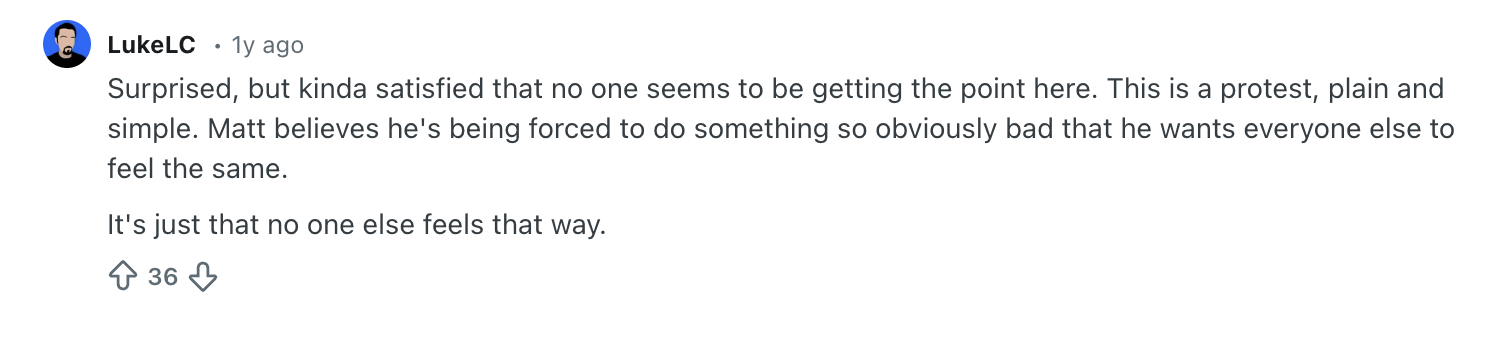
Since the WP Engine and Mullenweg drama, WordPress.org now requires users to check a box to agree that “Pineapple is delicious on pizza” before they could log in. That checkbox appeared after a court ordered the removal of an earlier declaration tied to WP Engine affiliation. Many people felt like this was his way of mocking the court. View the changeset here
People were not upset about putting pinapple on their pizza. They were upset because it was a poor reflection of the leadership in the open source WordPress community. WordPress.org put one more unnecessary step in front of something routine, and the response in the WordPress community centered on questions about trust, professionalism, and whether the platform still looked serious to the people who depend on it. For others, it just seems like 'code' for picking sides (no pun intended).
Read more about the incident on WP Tavern
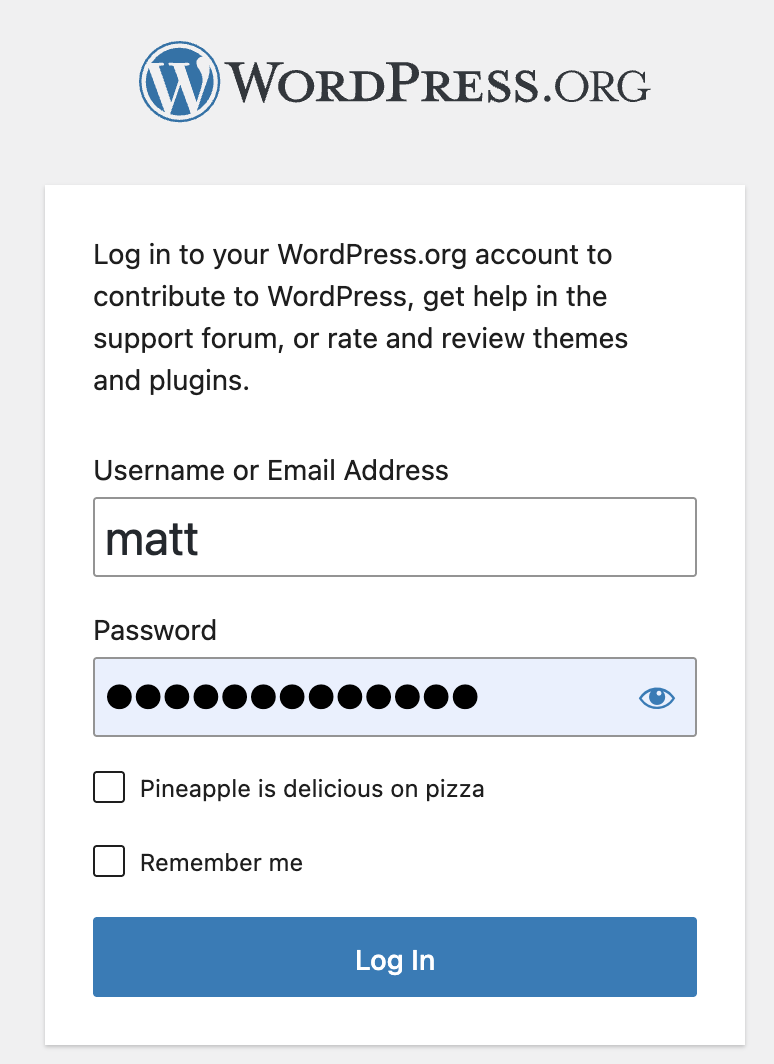
That small login policy gives us a useful way to talk about a much bigger problem with WordPress as a platform for websites.
If a company wants more than a simple publishing website, WordPress steadily pushes that company toward plugins, blocks, themes, overrides, settings panels, third-party interfaces, and WordPress-specific workarounds. WordPress.org describes itself as “the open source publishing platform,” tells users to design with blocks and themes, and then extend the site with an “extensive library of plugins.” That is the product model which you need to follow if you're to build with WordPress.
Of course, that model still fits some websites. If someone wants a straightforward blog, a simple content site, or a publishing-focused website with limited needs, WordPress can still do the job. Its own messaging still reflects that heritage. The homepage centers publishing, creators, themes, blocks, and plugins, and the footer still carries the line “Code is Poetry.” That language tells you what WordPress still believes it is building for first.
But seriously, how many websites out there look like the featured site designs on WordPress.org? They make it look like it's for poetry or modern art blogs only. As yourself, how do those designs built with core blocks become the template and the stress test for modern sites?
WordPress does not directly force businesses to install plugins or build websites a certain way. But a modern business website absolutely needs them to just to function.
A business website has to support lead generation, search visibility, content governance, brand consistency, flexible landing pages, custom forms, resource libraries, redirects, analytics, fast page delivery, and a reliable editing experience for marketing departments. It has to feel cohesive to the visitor and manageable to the company that owns it. It has to support campaigns, sales conversations, hiring, trust-building, and day-to-day updates without turning ordinary work into a technical project.
That is where WordPress starts to show its age.
Features usually mean plugins. Forms, search capabilities, SEO, conversion popups, security, analytics, filtering, redirects, and caching all need plugins. The list continues on with events, memberships, advanced fields, multilingual needs, resource centers, download libraries, and many other ordinary business requirements usually lead to more plugins. You get the picture. One plugin does not sound like a problem. But most WordPress sites require more than that. The majority of sites that do any kind of marketing end up with 20 - 50 plugins.
That is the central issue with WordPress. The platform does not give most businesses a cohesive product out of the box. It gives them a publishing core and a long path of add-ons that gradually turns the site into a collection of separate products living under one login.
That creates real work for businesses, not just developers.
A marketing director does not care whether a feature comes from the theme, a plugin, or custom code. That person cares whether the page stays on brand, the form works, the SEO fields make sense, and the editing experience feels clear. A business owner does not care which component loaded which stylesheet. That person cares whether the website looks consistent, loads quickly, and supports the company without constant cleanup.
WordPress often makes those simple expectations harder to deliver because the website stops behaving like one product.
The split between themes and plugins plays a big role here. A theme controls the design and presentation. A plugin delivers a piece of functionality. On paper, that sounds organized. On real projects, it often creates a mismatch. The theme follows one visual system. The plugin arrives with its own markup, CSS, JavaScript, templates, and user interface patterns. Now the site developer has to make that plugin feel like it belongs to the website. That means extra styling, extra testing, extra overrides, and extra time spent repairing things that should have matched from the start.
Businesses pay for that hidden labor.
A contact form should not need a round of cleanup so it matches the site. A filtered resource library should not feel like a different application living inside the website. A search experience should not require one plugin for indexing, another for UI behavior, and custom CSS just to make the results page look intentional. Yet that is how WordPress projects often grow, because the platform solves common needs by attaching more components rather than planning them into one cohesive system.
Even custom WordPress development does not fully escape this pattern.
People often say the answer is to build better custom code. That can improve quality, reduce reliance on bloated plugins, and give the project a cleaner foundation. It does not remove the underlying structure. WordPress still expects functionality to live in WordPress shaped places. A company may end up with a custom plugin for business logic, custom blocks for page building, theme files for presentation, custom fields for content structure, and a separate set of instructions for how editors should use all of it. The code may belong to one developer instead of five vendors, but the project still inherits the same fragmented shape.
That matters because businesses do not buy architecture diagrams. They buy outcomes.
They buy a website that helps close business. They buy a system their marketing department can actually use. They buy faster campaign launches, clearer content workflows, stronger search performance, cleaner governance, and fewer unpleasant surprises. When WordPress splits ordinary work across blocks, themes, plugins, fields, and separate admin experiences, the company ends up paying for a lot of translation work between those pieces.
The old WordPress story about democratizing publishing also deserves a harder look.
That idea made sense when getting online was far more difficult than it is now. A publishing platform that let more people create blogs and websites without hand-coding everything met a real need. That history still shapes WordPress today. WordPress.org still presents the product as a publishing platform, still encourages users to build with themes and blocks, and still points to plugins as the path to make the site do whatever you need.
A serious company website is not a generic publishing problem.
A law firm website, a healthcare website, a construction company website, a manufacturer website, or a growth-stage service business website usually needs a more intentional system. It needs content models that fit the organization. It needs components that support the brand across many pages. It needs editors to update content without breaking layouts. It needs search and SEO controls that feel built into the system, not stapled onto it. It needs front-end performance that stays strong because the site sends less code and fewer unnecessary assets to the browser.
That is why so many businesses eventually feel like WordPress keeps asking them to accept ingredients they never ordered.
The login checkbox works as a metaphor because it captures the mood, not because pineapple on pizza matters. WordPress users wanted to log in and do their work. Instead, they had to stop and click through something unnecessary. Businesses approach WordPress in a similar way. They want a website that supports the company. Instead, they keep running into one more dependency, one more plugin setting, one more mismatch, one more layer that needs attention before the site feels complete.
The result can function, but it rarely feels deliberate.
That is why we recommend modern Headless CMS solutions using platforms like Astro and Storyblok for the kinds of business websites we build.
Astro gives us direct control over the front end, which helps us ship lighter pages, reduce unnecessary code, and build page templates that feel fast and intentional. Storyblok gives marketing departments a structured editing experience with visual editing, reusable components, and content models that fit the actual website instead of forcing the site to live inside a plugin marketplace mentality. Those tools help us plan the system up front instead of assembling it from separate add-ons after the fact.
That changes the experience for everyone involved.
Designers can create a system that stays consistent across the site. Developers can build around a clear content model and a lean front end. Marketing departments can update content inside a cleaner interface. Business owners get a site that feels like it was built for their company, not assembled from a stack of tools that happened to coexist.
WordPress still has a place.
It can still serve creators, bloggers, and publishing-focused websites well. Its own homepage says as much. It remains a publishing platform with themes, blocks, and plugins at its core.
But that does not mean it is the right foundation for every serious business website.
A company that needs a cohesive digital system should not have to keep solving the same structural problems over and over. It should not have to keep turning separate tools into one brand experience. It should not have to keep treating plugin selection as the core strategy for building a modern site.
That is the deeper message behind the pineapples on pizza.
And so, pineapple is not delicious on pizza. People don't want to add extra bloat or add combinations of things that never really belong together in the first place.
And for many businesses now, WordPress is clearly no longer the right recipe for the website they actually need.